Imagine your car breaks down on the way to work. The repair is expensive, your next salary is still two weeks away, and your regular bills are already scheduled. Suddenly, an ordinary inconvenience becomes a financial emergency.
Now imagine facing the same situation with money set aside specifically for unexpected costs. You can arrange the repair, pay your essential bills, and continue with your routine without immediately borrowing from someone or relying on a credit card.
That is the purpose of an emergency fund.
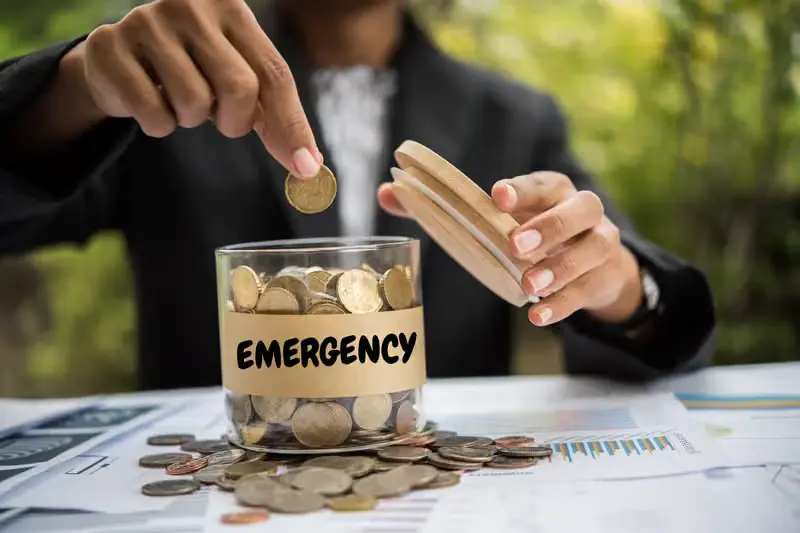
An emergency fund is money reserved for unexpected expenses or temporary income disruptions. It acts as a financial safety net, helping you handle difficult situations without damaging your long-term savings or taking on expensive debt.
However, simply saving money is not enough. You also need a realistic target, an appropriate place to keep the funds, and a clear understanding of when to use them. This is where emergency fund savings targets become important.
The right amount depends on your living expenses, income stability, family responsibilities, debt obligations, and access to other financial resources. Someone with a stable salary and few responsibilities may need a different reserve from a freelancer supporting a family.
Building financial security does not require saving everything at once. It requires a practical plan, consistent contributions, and money that remains accessible when life becomes unpredictable.
What Is an Emergency Fund and Why Does It Matter?
An emergency fund is a dedicated cash reserve designed to cover essential expenses when something unexpected happens. Unlike money saved for holidays, shopping, or a future home purchase, this reserve has a specific purpose: protecting your financial stability.
Common emergencies include sudden unemployment, urgent medical expenses, essential home repairs, vehicle breakdowns, and unexpected family responsibilities. These situations can happen regardless of how carefully someone manages their everyday budget.
Without savings, people may need to borrow money, withdraw from retirement accounts, sell investments at an inconvenient time, or delay necessary payments. Each option can create additional financial pressure.
An emergency fund provides breathing room. It gives you time to make thoughtful decisions instead of accepting the first available financial solution.
For example, consider a household where one person loses their job. If the family has enough savings to cover essential expenses for several months, it can focus on finding suitable employment rather than immediately accepting an unsuitable opportunity simply to pay next month’s rent.
This protection is the foundation of emergency fund savings targets. The goal is not to accumulate an impressive bank balance. It is to create enough financial flexibility to manage realistic risks.
How Much Money Should You Save in an Emergency Fund?
There is no universal emergency fund amount that works for everyone. A common personal finance guideline is to save three to six months of essential living expenses.
This recommendation provides a useful starting point, but it should not be treated as a strict rule. Your circumstances determine how much protection you actually need.
Understanding the Three-to-Six-Month Guideline
Suppose your essential monthly expenses total $2,000. These include housing, groceries, utilities, transportation, insurance, and minimum debt payments.
A three-month emergency fund would equal $6,000, while a six-month reserve would equal $12,000.
The calculation is based on essential expenses rather than total income. If you earn $4,000 monthly but can meet your basic needs with $2,000, your target should reflect the amount required to maintain essential living standards.
For some households, three months may be sufficient. Others may need six months or more because their income is unpredictable, their employment opportunities are limited, or several people depend on one income source.
Your emergency fund savings targets should reflect these realities rather than an arbitrary number.
When a Larger Emergency Fund Makes Sense
People with irregular income often benefit from larger reserves. Freelancers, consultants, seasonal workers, and commission-based employees may experience significant differences between high-earning and low-earning months.
A self-employed designer, for example, may receive several large client payments in one month and very little in the next. A larger emergency reserve can help cover rent, groceries, insurance, and other commitments during quieter periods.
Families with children or dependent relatives may also require additional protection. Their essential expenses can be harder to reduce quickly, particularly when education, healthcare, or caregiving responsibilities are involved.
People working in industries with frequent layoffs or limited local job opportunities may also consider saving more than the standard guideline.
When a Smaller Initial Target Is Acceptable
If saving several months of expenses feels impossible, begin with a smaller milestone.
An initial target of $500 or $1,000 can help cover a minor repair, urgent travel expense, or unexpected household bill. The exact amount should reflect local costs and your personal circumstances.
Once this first reserve is established, gradually increase it toward one month of essential expenses and eventually your longer-term goal.
Small milestones make emergency fund savings targets easier to achieve because they turn a large financial challenge into manageable steps.
How to Calculate Your Personal Emergency Fund Target
A useful emergency fund begins with an accurate understanding of your essential expenses. Many people overestimate or underestimate their needs because they calculate savings based on income instead of actual spending requirements.
Start by reviewing several months of bank statements, bills, and payment records. Identify the expenses you would still need to cover if your income suddenly stopped.
Housing costs usually come first. Rent or mortgage payments, electricity, water, heating, and basic household services are difficult to avoid. Next, include groceries, transportation, insurance, necessary healthcare, and minimum debt repayments.
Then consider family responsibilities, including childcare, education-related essentials, and support for dependent relatives.
You do not necessarily need to include restaurant visits, entertainment, expensive subscriptions, holidays, or optional shopping. These expenses could usually be reduced temporarily during an emergency.
Liquidity: Why Emergency Savings Must Be Easy to Access
Having enough money saved is important, but being able to access it quickly is equally essential. This is known as liquidity.
A liquid asset can be converted into spendable money without significant delay or loss of value. Cash in a checking account or an accessible savings account is generally highly liquid. Property, retirement investments, and collectibles are much less suitable for immediate emergencies because selling them can take time and may involve financial penalties or losses.
Choosing the Right Place to Keep Emergency Savings
A separate savings account is often a practical home for an emergency fund. It keeps the money away from everyday spending while allowing withdrawals when necessary.
A high-yield savings account may offer a better interest rate than a standard savings account, depending on the provider and current market conditions. However, compare account fees, minimum balance requirements, withdrawal rules, access methods, and deposit protection before choosing one.
A checking account can provide immediate access, but keeping the entire reserve there may make it easier to spend unintentionally. Some people prefer to keep a small portion in checking for urgent same-day needs and the remaining amount in a separate savings account.
The best choice balances accessibility, security, and reasonable returns. Emergency fund savings targets should never depend on investments that could lose substantial value just when the money is needed.
Why Investing Your Emergency Fund Can Be Risky
Investments such as shares, cryptocurrency, and some mutual funds can rise or fall in value. They may be useful for long-term financial goals, but they are not ideal for money that must remain dependable.
Imagine losing your job during a market downturn. If your emergency savings are invested in shares, you might have to sell them at a loss to cover rent and groceries.
That is the opposite of what an emergency fund should accomplish.
Keep emergency money separate from long-term investments. The purpose of this reserve is financial protection, not maximum investment growth.
Understanding Deposit Protection
When selecting a bank or financial institution, check the deposit protection rules that apply in your country. In the United States, eligible deposits at FDIC-insured banks are generally insured up to $250,000 per depositor, per insured bank, for each ownership category. Other countries have their own limits and eligibility conditions.
Deposit protection does not eliminate every financial risk, but it can add reassurance when choosing where to hold savings. Always confirm that the account and institution qualify under the relevant national scheme.
How to Build an Emergency Fund on a Limited Income
Saving can feel difficult when most of your income already goes toward essential expenses. Rent, food, transportation, and family responsibilities may leave very little room for additional contributions.
The answer is to make the process manageable instead of waiting until you have a large amount of spare money.
Start With an Amount You Can Maintain
Choose a contribution that fits your current budget. It might be $10 per week, $25 per payday, or a small percentage of your monthly income.
Consistency matters more than an ambitious amount that becomes impossible to maintain. Saving $25 every week produces $1,300 over a year before interest, provided you make every contribution.
When income increases or a regular expense disappears, consider directing some of the extra money into savings.
Automate Your Contributions
Automatic transfers can help turn saving into a regular financial habit. Arrange a transfer shortly after payday so that part of your income moves into your emergency savings before you spend it elsewhere.
If your income changes from month to month, use a smaller fixed contribution as a baseline and add more during stronger earning periods.
Automation also reduces the temptation to postpone saving. Your emergency fund savings targets become easier to reach when contributions happen consistently rather than depending entirely on motivation.
Use Unexpected Money Wisely
Tax refunds, work bonuses, gifts, freelance projects, and other occasional payments can help accelerate savings.
You do not need to put every unexpected dollar into your emergency fund. You might divide a bonus between immediate needs, debt repayment, and savings.
For example, if you receive an extra $600, you could place $300 in your emergency account and use the remainder for another important financial priority.
Small decisions like this can build meaningful progress without making everyday life unnecessarily restrictive.
Review Subscriptions and Flexible Spending
Look for expenses that can be reduced without affecting your essential needs. Unused subscriptions, frequent takeaway meals, expensive mobile plans, and unnecessary service charges are common places to start.
Even a modest reduction can support regular contributions. Saving $40 each month adds $480 to your emergency reserve over a year.
The objective is not to eliminate every enjoyable expense. It is to create enough room for savings while maintaining a realistic lifestyle.
What Counts as a Genuine Financial Emergency?
One of the most overlooked parts of emergency planning is deciding when the money should be used. Without clear boundaries, the fund can gradually become an ordinary spending account.
A genuine emergency is usually an unexpected, necessary expense that cannot reasonably wait until your next regular payday.
An urgent medical bill, essential vehicle repair, sudden job loss, emergency home repair, or necessary travel for a family crisis may qualify. These expenses can threaten your health, safety, employment, or ability to meet basic responsibilities.
A planned holiday, routine shopping, a new television, or a seasonal sale is not an emergency. These purchases should come from separate savings.
Consider a person whose refrigerator suddenly stops working. If the appliance is essential and repairing it cannot wait, using emergency savings may be reasonable. Replacing a perfectly functional refrigerator simply because a newer model is available is a different decision.
Before withdrawing money, consider whether the expense is urgent, necessary, and genuinely unexpected. This simple test helps protect emergency fund savings targets from being gradually consumed by optional purchases.
If you use the fund, do not treat it as a failure. That is precisely what the money was saved for. Once the situation is under control, make a plan to rebuild the amount.
Common Emergency Fund Mistakes to Avoid
Even people who understand the importance of saving can make decisions that weaken their financial safety net.
One common mistake is setting an unrealistic target. Someone struggling to pay monthly bills may become discouraged after deciding to save six months of expenses immediately. A smaller first milestone creates momentum and makes progress easier to measure.
Another mistake is keeping emergency savings too accessible for everyday spending. If the money sits in the same account used for shopping and entertainment, it can gradually disappear. A separate account creates a useful psychological boundary.
Some people also underestimate their essential expenses. They calculate rent and groceries but forget insurance, transportation, medication, minimum debt payments, or childcare. An incomplete budget creates an emergency fund that may run out sooner than expected.
Inflation is another factor worth considering. If everyday costs rise, the amount required to maintain the same standard of essential living may increase. Review your savings goal at least once a year or whenever your circumstances change.
Finally, avoid treating credit cards as a complete substitute for emergency savings. Credit can provide temporary payment flexibility, but interest and repayment obligations may increase the cost of an emergency. A dedicated reserve gives you more control.
Reviewing these mistakes helps keep emergency fund savings targets realistic, useful, and aligned with your changing financial needs.
How to Maintain and Rebuild Your Financial Safety Net
An emergency fund is not a one-time achievement. It is a financial resource that needs occasional attention.
Review your account balance, monthly expenses, and savings goal regularly. If your rent increases or you take on additional family responsibilities, your target may need to change. If your living costs decrease, you may discover that your existing reserve provides more months of protection than before.
After using the fund, calculate how much you need to replace. You might temporarily increase automatic transfers, direct a work bonus toward savings, or reduce selected flexible expenses until the reserve is restored.
It can also help to separate different savings goals. Keep emergency money apart from funds intended for annual insurance premiums, holidays, home improvements, or planned vehicle maintenance. These expenses may be predictable even if they do not happen every month.
This distinction makes emergency fund savings targets more accurate because your emergency reserve remains available for genuinely unexpected events.
Remember that your fund should work alongside other financial priorities. Paying down expensive debt, maintaining suitable insurance, saving for retirement, and meeting regular household needs all contribute to financial health. The right balance depends on your income, debt costs, and personal responsibilities.
The Latest Picture of Emergency Savings and Financial Preparedness
Recent research shows why emergency savings remain an important part of household financial planning.
The Federal Reserve’s Economic Well-Being of U.S. Households in 2025 report, published in May 2026, found that 63% of U.S. adults said they could cover a hypothetical $400 emergency expense using cash, savings, or a credit card paid off with the next statement. The same report found that 55% had set aside enough money to cover three months of expenses in an emergency fund. These figures show that a substantial share of households still lacks a dedicated reserve of this size.
The report also found that 59% of adults experienced at least one major unexpected expense during the previous 12 months. Vehicle repairs or replacement were reported by 30%, while major home or appliance repairs and unexpected major medical expenses affected 22% and 21%, respectively.
These findings come from the United States and should not be assumed to represent every country. However, the underlying lesson applies broadly: unexpected expenses are common, and accessible savings can reduce the need to borrow when they occur.
For households with limited income, starting small is still worthwhile. A modest reserve can provide protection against a minor emergency while creating a foundation for a larger savings goal.
Conclusion
An emergency fund provides more than money for unexpected bills. It offers time, flexibility, and greater control when life does not go according to plan.
The right savings amount depends on your essential expenses, income stability, family responsibilities, and financial risks. A three-to-six-month reserve is a useful general guideline, but your personal circumstances should determine the final target.
Start with an achievable milestone, choose a secure and accessible savings account, automate regular contributions, and review your progress as life changes. If you need to use the fund, focus on rebuilding it rather than feeling discouraged.
Ultimately, emergency fund savings targets are not about reaching an impressive number as quickly as possible. They are about creating a dependable financial safety net that protects your everyday needs and long-term plans.
Frequently Asked Questions
1. How much should I have in an emergency fund?
A common guideline is three to six months of essential living expenses. However, the right amount depends on income stability, dependents, debt, and employment conditions. People with irregular earnings or greater responsibilities may need a larger reserve, while beginners can start with a smaller achievable savings milestone.
2. Where should I keep my emergency fund?
Keep emergency savings in a secure, accessible account, such as a separate savings account with a reputable bank. Compare interest rates, fees, withdrawal conditions, and applicable deposit protection. Avoid placing essential emergency money in volatile investments because their value may fall when you urgently need access.
3. Can I use my emergency fund to pay off debt?
An emergency fund can help prevent additional borrowing when unexpected expenses arise. However, using the entire reserve to repay debt may leave you financially exposed. Consider keeping a basic cash cushion while developing a realistic debt repayment plan, particularly when dealing with expensive interest charges.