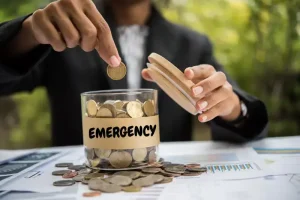

Saving money is often treated as something people should do only when they have extra income. In reality, waiting for money to be left over at the end of the month can make saving difficult. Everyday expenses have a way of expanding to fill available income. A few convenience purchases, rising household bills, unplanned outings, and forgotten subscriptions can gradually consume money that could have supported more important goals. The solution is not necessarily to stop enjoying life. It is to understand where money goes and make more deliberate decisions about how it is used.
Effective saving money budgeting tactics begin with a realistic view of personal finances. They help people distinguish between necessary expenses, optional spending, and purchases that do not provide much lasting value. A well-designed budget can make room for groceries, housing, transportation, entertainment, debt payments, and savings without treating every purchase as a mistake. It also provides a clearer way to respond when prices increase or income changes.
The most successful approach is usually built around manageable habits. Reducing a recurring expense, planning grocery purchases, setting aside money automatically, or delaying an unnecessary purchase may seem like a small action. Repeated over several months, however, these decisions can create meaningful progress. Saving becomes less about constant self-control and more about building a financial routine that supports the life you want.
Financial Freedom Begins With Understanding Where Your Money Goes
Before changing spending habits, it is important to understand existing ones. Many people have a general idea of their monthly expenses but do not know exactly how much they spend in individual categories. They may remember rent, loan payments, and utility bills while overlooking small purchases, delivery charges, bank fees, and occasional online shopping. These expenses can quietly reduce the amount available for savings.
Start by reviewing several months of bank statements, payment records, cash transactions, and digital wallet activity. Group purchases into meaningful categories such as housing, food, transportation, healthcare, utilities, debt, personal spending, and entertainment. This process provides a clearer picture of where income is going. It also helps separate predictable expenses from irregular ones, such as annual insurance payments, vehicle maintenance, school costs, or seasonal purchases.
An important part of this review is distinguishing between spending that is necessary and spending that is simply familiar. A daily coffee may be a reasonable personal choice, but purchasing it automatically without considering the cost can make it harder to recognize its impact. The goal is not to eliminate every enjoyable expense. It is to decide whether each category deserves the amount currently being spent on it.
This awareness is the foundation of practical saving money budgeting tactics. Without reliable spending information, people often create budgets based on assumptions. They may set unrealistic limits, underestimate irregular costs, or forget expenses that occur only a few times each year. A budget based on actual behavior is more useful because it shows what needs attention and where adjustments are possible.
Build a Budget Around Your Real Life, Not an Ideal Scenario
A budget should reflect the way someone actually lives. A plan that looks impressive on paper but ignores family responsibilities, local living costs, medical needs, or income fluctuations will probably be difficult to maintain. Instead of forcing every expense into an unrealistic structure, begin with actual income and existing obligations. Then decide how much can reasonably be directed toward savings and other priorities.
Identify Your Actual Income and Spending Patterns
Use take-home income rather than gross salary when planning regular household spending. Take-home income is the amount available after deductions such as taxes and other payroll contributions. If income comes from freelance projects, commissions, seasonal work, or a small business, calculate a conservative average based on previous months. It is safer to build a budget around dependable income than to assume every month will be equally profitable.
Next, separate fixed expenses from variable expenses. Fixed expenses include costs that generally remain similar each month, such as rent, loan installments, insurance premiums, and certain subscriptions. Variable expenses include groceries, fuel, transportation, dining, clothing, and household supplies. Some costs fall between these categories. Electricity bills, for example, may change with weather, household usage, and seasonal conditions.
Do not overlook annual and occasional expenses. Vehicle registration, school supplies, medical appointments, property maintenance, and holiday spending can disrupt a budget when they are treated as unexpected surprises. Estimate their yearly cost and divide it into monthly amounts. Setting aside a small contribution regularly can make these payments easier to manage when they arrive.
Choose a Budgeting Structure You Can Maintain
There is no single budgeting method that works for everyone. One popular approach is percentage-based budgeting. The 50/30/20 framework, for example, suggests dividing after-tax income into needs, wants, and savings or debt repayment. It can be a useful starting point, but it is not a strict rule. In areas where housing and transportation costs are high, essential expenses may take up a larger share of income. Someone with a variable income may also need a more flexible arrangement.
Zero-based budgeting takes a different approach. Every unit of income receives a planned purpose, including savings, debt payments, household costs, and personal spending. The aim is to make sure the full amount is accounted for rather than allowing unassigned money to disappear through casual purchases. This does not mean spending every unit. Savings and emergency contributions are also planned destinations.
A category-based budget can be simpler for people who prefer less detailed tracking. It sets spending limits for areas such as food, transport, household needs, and entertainment. The most useful structure is the one that gives enough control without requiring constant attention. If managing dozens of categories becomes exhausting, simplify the system. Consistency is more valuable than complexity.
Turn Everyday Spending Into Opportunities for Meaningful Savings
Everyday purchases offer many opportunities to reduce costs without making life uncomfortable. Food is often a good starting point because grocery spending can change significantly depending on planning, shopping habits, household size, and food waste. Before visiting a store, check what is already available at home. Build meals around existing ingredients, prepare a shopping list, and compare prices based on quantity rather than package appearance.
Meal planning can reduce both unnecessary purchases and food waste. It does not require preparing every meal for an entire week. Even deciding on several main meals before shopping can help prevent repeated visits to the store. Buying ingredients that can be used in multiple dishes also makes household spending more efficient. Frozen vegetables, suitable bulk staples, and seasonal produce may provide good value, depending on local prices and storage needs.
Transportation is another area worth reviewing. Compare the cost of driving alone with public transport, carpooling, walking, or combining several errands into one trip. For people who rely on a vehicle, regular maintenance can help prevent larger repair bills. Checking tire pressure, following service schedules, and addressing small problems early may reduce avoidable costs. However, safety-related repairs should never be delayed simply to save money.
Household bills deserve regular attention too. Turn off unnecessary lights, manage heating and cooling sensibly, repair leaking taps, and use energy-efficient appliances where practical. Small adjustments can reduce waste, although the actual savings depend on the home, climate, energy prices, and household habits. It is also useful to compare available utility plans where competition and consumer choice exist.
Dining and convenience spending can be managed without removing social activities. Instead of ordering food whenever cooking feels inconvenient, keep a few quick meals available at home. Plan restaurant visits as part of the entertainment budget rather than treating them as unplanned expenses. These saving money budgeting tactics work best when they preserve the experiences that matter while reducing spending that happens mainly out of habit.
Develop Frugal Habits That Make Saving Feel Natural
Frugal living is often misunderstood as buying the cheapest possible option or refusing to spend money on enjoyable experiences. A more useful definition is getting appropriate value from the money available. Sometimes the least expensive product is a poor purchase because it wears out quickly. A slightly more durable option may cost more initially but provide better value over time.
Replace Automatic Spending With More Intentional Decisions
Many unnecessary purchases happen because spending is automatic. A person sees a discount, receives a promotional notification, or feels stressed after a difficult day and makes a purchase without considering whether it is needed. These decisions may provide temporary satisfaction, but they can weaken financial progress when repeated frequently.
A waiting period can help interrupt this pattern. For nonessential purchases, consider waiting 24 hours before buying. For more expensive items, a longer period may be useful. During that time, ask whether the item solves a real problem, whether it fits the budget, and whether something already owned could serve the same purpose. This pause does not prevent enjoyable purchases. It makes them more intentional.
Shopping lists, spending limits, and removing unnecessary shopping notifications can also help. If online browsing regularly leads to unplanned purchases, reduce the time spent visiting retail platforms. When shopping for clothing, electronics, or household items, compare the full cost, including delivery, maintenance, accessories, and replacement needs.
Emotional spending deserves particular attention. Stress, boredom, social pressure, and the desire for convenience can influence purchasing decisions. Recognizing these triggers helps people find alternatives that do not depend on spending. Taking a walk, contacting a friend, enjoying an existing hobby, or setting aside time to relax may provide a better response to certain emotional needs.
Get More Value From What You Already Own
Using existing resources more effectively is one of the most overlooked parts of frugal living. Clothing, appliances, furniture, tools, and electronics often remain useful long after people begin considering replacements. Cleaning, repairing, maintaining, and organizing possessions can delay purchases and reduce waste.
Before replacing something, assess its condition and the cost of repair. A broken appliance may need a simple part rather than a complete replacement. A piece of furniture may become useful again after basic repairs or a change in arrangement. However, repairs should be handled safely, especially when electrical equipment, gas systems, or structural components are involved.
Borrowing and sharing can also reduce expenses. Items used only occasionally, such as specialized tools, party equipment, or certain household devices, may not justify a permanent purchase. Depending on availability and personal circumstances, borrowing from someone trusted or using a legitimate rental service can be more economical.
The goal is to make purchasing a deliberate choice rather than the automatic response to every inconvenience. These habits support saving money budgeting tactics because they reduce replacement costs while encouraging more thoughtful use of existing resources.
Reduce Recurring Expenses Before Cutting Small Pleasures
Small purchases attract attention because they are visible and easy to change. However, recurring expenses can offer larger opportunities. A subscription that renews every month, an expensive phone plan, an unnecessary membership, or an unsuitable insurance arrangement may cost more over a year than several occasional treats.
Review subscriptions and memberships at least every few months. Look at streaming services, cloud storage, software, fitness memberships, digital publications, and delivery programs. Cancel services that are no longer used, and consider whether several overlapping subscriptions provide enough value to justify their combined cost. Some services offer lower-cost plans or annual options, but compare the total commitment before choosing one.
Housing costs are usually more difficult to change, but they deserve attention because they often represent a large portion of household spending. When appropriate, compare housing costs with income and other essential expenses. Moving may not be practical or financially sensible once deposits, transportation, moving fees, and changes in commute costs are considered. For homeowners, maintenance planning can help prevent expensive damage and emergency repairs.
Insurance should be reviewed carefully rather than reduced automatically. Compare coverage, exclusions, deductibles, and premiums before changing a policy. A lower premium may come with reduced protection or higher out-of-pocket costs after a claim. The aim is to avoid paying for unsuitable coverage while retaining protection against significant risks.
Phone and internet plans are also worth comparing. Some households continue paying for data allowances, speed levels, or additional features they rarely use. Contacting a provider to ask about available plans may reveal a more suitable option. Always check contract terms, installation charges, cancellation fees, and promotional pricing periods.
Recurring reductions can have a lasting effect because the money saved becomes available month after month. Redirecting that amount toward an emergency fund or debt repayment can turn one careful decision into an ongoing financial improvement.
Make Saving a Planned Expense Instead of an Afterthought
One of the most reliable ways to build savings is to treat it as a planned part of the budget. If saving depends entirely on whatever remains at the end of the month, it may happen inconsistently. Household expenses and personal purchases often take priority because they appear more urgent. Setting a realistic savings amount in advance gives it a clear place in the financial plan.
Automatic transfers can make this process easier. Arrange for an appropriate amount to move into a separate savings account after income arrives. The contribution does not have to be large. A manageable amount saved regularly is often more sustainable than an ambitious target that creates pressure and is abandoned after a few weeks.
A separate account can also reduce the temptation to spend money intended for future needs. Choose an account that is accessible enough for the purpose of the savings but not so closely connected to daily spending that transfers become effortless. Consider fees, withdrawal conditions, interest arrangements, and any applicable protections when comparing accounts.
An emergency fund is an important early savings goal. It provides a financial buffer for situations such as an unexpected repair, temporary loss of income, urgent travel, or an essential medical expense. The appropriate target depends on household responsibilities, job stability, access to support, and monthly costs. Some people may begin with a small starter reserve and gradually work toward several months of essential expenses.
It is also useful to separate emergency savings from planned purchases. Money for a holiday, new furniture, education, or annual insurance should not be confused with funds reserved for genuine emergencies. Creating separate savings goals helps prevent one expense from consuming money intended for another.
If income is limited, begin with an amount that does not interfere with essential bills or minimum debt obligations. Increase contributions when income rises or recurring expenses fall. Effective saving money budgeting tactics should create progress without forcing people to miss necessary payments or rely on expensive borrowing to maintain a savings target.
Handle Debt and Unexpected Costs Without Losing Financial Progress
Debt can make saving more difficult because interest and required payments reduce the amount available for other goals. High-interest balances are particularly costly when they remain unpaid for long periods. Credit card debt, certain personal loans, and other expensive borrowing arrangements can grow faster than people expect when payments cover little more than interest and fees.
Start by listing debts, outstanding balances, interest rates, minimum payments, and due dates. This creates a clearer picture of what is owed and helps identify the most expensive obligations. Two common repayment approaches are the avalanche method and the snowball method. The avalanche approach directs extra payments toward the debt with the highest interest rate while maintaining minimum payments on other accounts. The snowball approach focuses extra payments on the smallest balance first, which can provide a sense of progress and motivation.
The most suitable approach depends on the interest costs, personal circumstances, and ability to remain consistent. In either case, missing required payments can lead to additional fees and other consequences. If payments have become difficult to manage, contact lenders or seek guidance from a reputable, qualified debt counselor. Be cautious of companies promising instant debt elimination or guaranteed financial results.
Unexpected expenses should also be considered when planning repayment. Putting every available amount toward debt while keeping no emergency reserve can create a cycle of borrowing. A modest financial buffer may help cover smaller emergencies without adding new debt. The right balance depends on interest rates, income stability, and the seriousness of the financial obligations involved.
For people with irregular income, it can help to build the budget around essential expenses first. During stronger earning periods, set aside money for slower months, taxes where applicable, and predictable annual costs. This reduces the risk of treating every high-income month as an opportunity for additional spending.
Use Simple Tools to Monitor Progress and Improve Decisions
Budgeting tools can make financial management more convenient, but they should support clear decisions rather than create unnecessary work. A basic spreadsheet may be enough for someone who wants to record income, expenses, and savings. Others may prefer a budgeting application that categorizes transactions and provides spending summaries.
When choosing a financial app, consider its security, privacy policy, fees, account access requirements, and compatibility with local banks. Avoid sharing sensitive banking credentials with services that cannot demonstrate appropriate security practices. If connecting accounts is not comfortable or supported, manual tracking can still provide useful information.
Banking alerts are another helpful feature. Notifications for large transactions, low balances, upcoming payments, and account activity can make it easier to notice unusual spending. They can also reduce the risk of missing a bill because of an overlooked due date.
A weekly spending review can be more effective than checking every transaction repeatedly throughout the day. Set aside a short period to compare actual spending with planned amounts. If grocery costs are higher than expected, investigate whether prices increased, food was wasted, or meal planning needs improvement. If transportation costs rise, look at fuel prices, commuting patterns, and vehicle maintenance.
Monthly reviews provide an opportunity to adjust the budget. A category that was realistic several months ago may no longer reflect current prices or household needs. The purpose of tracking is not to criticize every purchase. It is to identify patterns, understand changes, and make better decisions.
Expert Strategies for Making a Money-Saving Plan Sustainable
A sustainable money-saving plan needs flexibility. Strict restrictions may create short-term results, but they can become difficult to maintain when they leave no room for social activities, personal interests, or unexpected expenses. A budget should support a satisfying life while helping protect future financial stability.
Start with a small number of clear priorities. Someone may want to build an emergency fund, pay down expensive debt, save for education, or prepare for a major household purchase. Trying to pursue every goal at once can divide available money so widely that progress feels invisible. Rank goals according to urgency and importance, then decide how much can reasonably be allocated to each.
It is also important to distinguish between a temporary expense reduction and a permanent lifestyle change. Skipping every social activity for a month may reduce spending briefly, but it is unlikely to become a comfortable long-term routine. Choosing less expensive activities, setting a monthly entertainment allowance, or planning gatherings at home can preserve enjoyment while keeping costs under control.
Plan for irregular spending rather than treating it as a failure. Gifts, celebrations, school expenses, vehicle servicing, and home repairs are often predictable even if their exact dates are not. Create separate monthly contributions for these costs. This reduces the pressure of paying for everything from one month’s income.
Another useful strategy is to review major decisions before making commitments. A vehicle, rental agreement, expensive device, or financed purchase can affect household finances for years. Look beyond the initial payment and calculate ongoing costs, interest, maintenance, insurance, and possible replacement expenses. A purchase is affordable only when its full financial impact fits comfortably within the broader plan.
Expert financial planning also recognizes that not every problem can be solved through cutting expenses. If essential costs already consume most of the household income, increasing earnings, improving employment opportunities, reviewing debt terms, or accessing appropriate support may be more important than removing another small pleasure. A budget should reveal these realities rather than make someone feel responsible for costs they cannot reasonably control.
The strongest saving money budgeting tactics are therefore practical, flexible, and connected to personal priorities. They focus on decisions that can be repeated, not extreme restrictions that create frustration. Progress may be gradual, but a realistic system can become more effective as income, habits, and financial knowledge improve.
Build a Financial Routine That Supports the Life You Want
Saving money is not a single achievement. It is an ongoing process of making choices that balance current needs with future security. A budget helps organize those choices, while frugal habits reduce waste and intentional spending protects money for more important goals. Together, these practices create a stronger foundation for handling ordinary expenses and unexpected challenges.
Begin by reviewing income and spending, then choose a budgeting method that suits your circumstances. Look for recurring costs that can be reduced without sacrificing essential protection or quality of life. Set a realistic savings contribution, prepare for irregular expenses, and review progress regularly. When circumstances change, adjust the plan rather than abandoning it.
Remember that financial progress does not have to look dramatic to be meaningful. Paying a bill on time, avoiding an unnecessary purchase, reducing a recurring charge, or adding a small amount to an emergency fund are all useful steps. Over time, these decisions can create greater control over money and more confidence about the future.
The purpose of saving money budgeting tactics is not to make life smaller. It is to give your money a clearer direction so that it supports the things that matter most. A thoughtful financial routine can make room for everyday enjoyment while helping you prepare for opportunities, responsibilities, and unexpected moments.
Frequently Asked Questions
What are the most effective saving money budgeting tactics for beginners?
Start by calculating dependable take-home income and reviewing actual spending. Separate essential expenses from flexible purchases, then choose a simple budgeting structure that is easy to maintain. Set a realistic savings contribution and review it regularly. Beginners should focus on understanding their spending patterns before making aggressive cuts. Small, consistent adjustments are generally easier to maintain than sudden lifestyle restrictions.
How can I save money when most of my income goes toward essential expenses?
Begin by reviewing recurring bills, grocery habits, transportation costs, and available service plans to identify realistic savings opportunities. Avoid cutting essential healthcare, necessary insurance, or important household needs simply to reach an arbitrary target. If expenses already exceed available income, consider whether additional income, debt guidance, or appropriate financial support may be necessary. Even a small savings contribution can be a useful starting point when it is affordable.
How long does it take to see results from a budgeting plan?
Some results can appear within the first month, particularly when unnecessary subscriptions or repeated impulse purchases are reduced. More substantial progress, such as building an emergency fund or paying down debt, usually takes longer and depends on income, expenses, interest rates, and unexpected costs. Review progress monthly and adjust the plan when circumstances change. Consistency matters more than expecting immediate results.